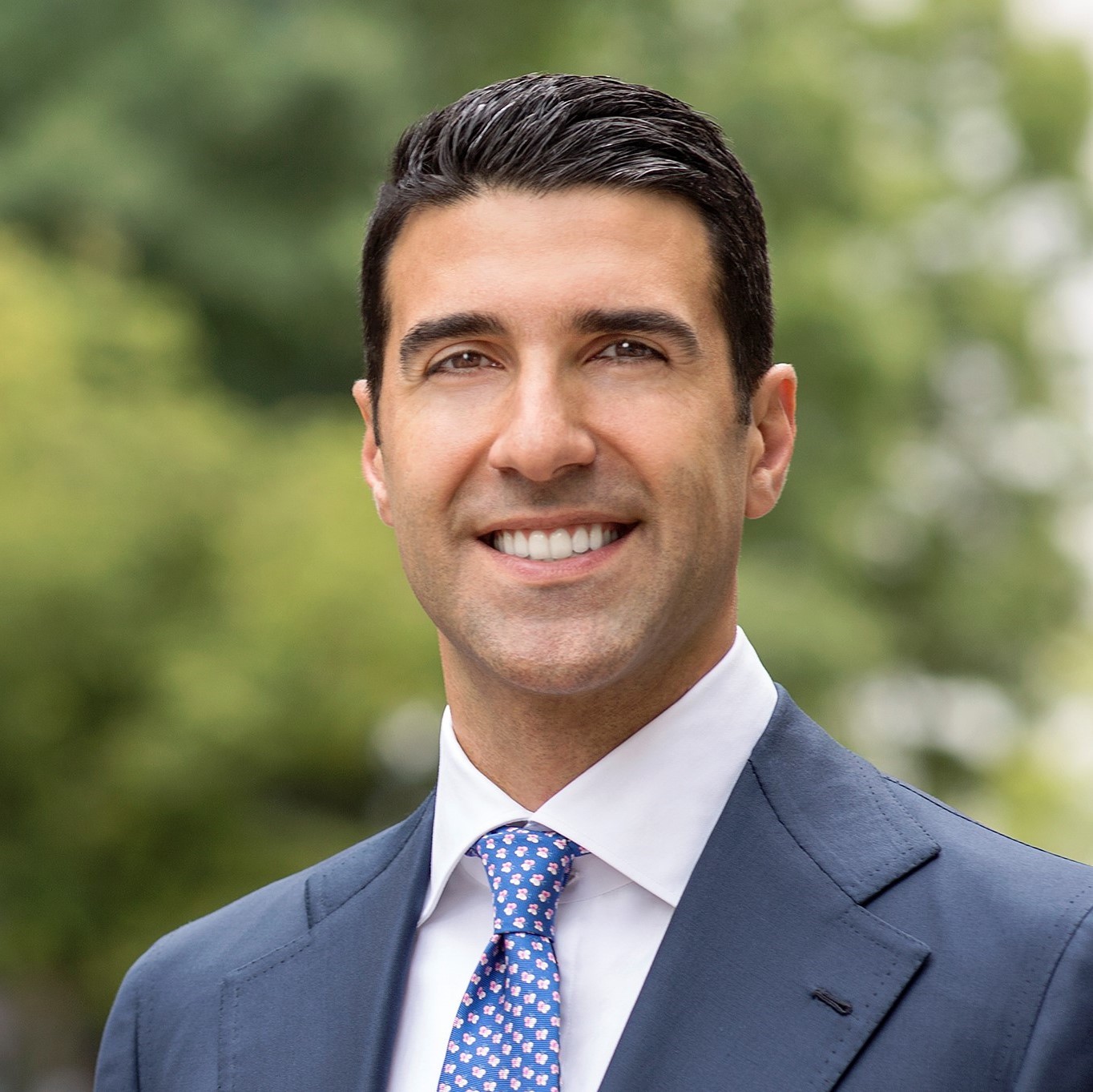
As companies navigate an increasingly difficult path out of Russia, Milbank LLP Global Risk & National Security partner Bijan Ganji spoke to Bloomberg about the complex sanctions and US regulatory requirements shaping these transactions, including the rigorous buyer diligence needed to uncover potential ties to sanctioned parties.
According to Mr. Ganji, businesses with US touchpoints will likely need approval from OFAC when exiting Russia. This is due to an exit tax, required under local law, that involves payment to the sanctioned Russian Ministry of Finance – an approval that Milbank successfully secured for Frigoglass Group (“Frigoglass”), a global commercial refrigeration solutions company for the beverage industry.
A Milbank team led by Mr. Ganji and Andrea Hamilton along with Apostolos Gkoutzinis and Ana Grbec, and investment management and advisory firm Tetrad Capital Partners, advised Frigoglass on the complex US and EU regulatory matters of this deal. The teams successfully navigated the economic sanctions and restrictive measures in connection with the sale of Frigoglass’ Russian refrigeration business Frigoglass Eurasia, which required approvals from authorities in Russia, the Netherlands, Cyprus and the United States.
The due diligence process on buyers can be lengthy too. “The buyer could have business associations with sanctioned parties, or there could just be speculation about them having these associations,” Mr. Ganji said. Trust structures are commonly used to hide the ultimate beneficial owner of companies.
“These may look legitimate on the surface,” Mr. Ganji said. “But you have to peel the onion, and once you’ve done that, you may learn that the trust’s beneficiaries are family members of a Russian oligarch.”
Read the full article, “Trapped in Russia, Companies Risk It All to Exit” here. [Subscription may be required for full access]